%2Ffit-in%2F250x250%2Fguide_websites%2F121734%2Fimages%2F1773797455460seeleylogo.jpg&w=1920&q=100)
/users/6e3881fc-0a92-4e27-a58e-9eeec5ffdf1c/ratecard/475638901_122126108546603507_4238445106892826622_n-mmvc0egl.jpg)
%2F300x300%2Fusers%2F6e3881fc-0a92-4e27-a58e-9eeec5ffdf1c%2Fratecard%2F475638901_122126108546603507_4238445106892826622_n-mmvc0egl.jpg&w=256&q=75)
%2F300x300%2Fusers%2F6e3881fc-0a92-4e27-a58e-9eeec5ffdf1c%2Fimages%2Fgulf-shores-trout-drum-fishing-2688.jpg&w=256&q=75)
%2F300x300%2Fusers%2F6e3881fc-0a92-4e27-a58e-9eeec5ffdf1c%2Fimages%2Fgulf-shores-sheepshead-black-drum-2733.jpg&w=256&q=75)
%2F300x300%2Fusers%2F6e3881fc-0a92-4e27-a58e-9eeec5ffdf1c%2Fimages%2Fgulf-shores-sheepshead-catch-2819.jpg&w=256&q=75)
%2F300x300%2Fusers%2F6e3881fc-0a92-4e27-a58e-9eeec5ffdf1c%2Fimages%2Fgulf-shores-black-drum-sheepshead-2729.jpg&w=256&q=75)
%2F300x300%2Fusers%2F6e3881fc-0a92-4e27-a58e-9eeec5ffdf1c%2Fimages%2Fgulf-shores-black-drum-catch-2730.jpg&w=256&q=75)
%2F300x300%2Fusers%2F6e3881fc-0a92-4e27-a58e-9eeec5ffdf1c%2Fimages%2Fgulf-shores-fishing-catch-boat-2584.jpg&w=256&q=75)
%2F300x300%2Fusers%2F6e3881fc-0a92-4e27-a58e-9eeec5ffdf1c%2Fimages%2Fgulf-shores-black-drum-catch-2685.jpg&w=256&q=75)
%2F300x300%2Fusers%2F6e3881fc-0a92-4e27-a58e-9eeec5ffdf1c%2Fimages%2Fgulf-shores-redfish-black-drum-2767.jpg&w=256&q=75)
%2F300x300%2Fusers%2F6e3881fc-0a92-4e27-a58e-9eeec5ffdf1c%2Fimages%2Fgulf-shores-black-drum-catch-2740.jpg&w=256&q=75)
%2F300x300%2Fusers%2F6e3881fc-0a92-4e27-a58e-9eeec5ffdf1c%2Fimages%2Fgulf-shores-fishing-marina-boat-2601.jpg&w=256&q=75)
Gulf Shores Inshore Snapper Charter Seeley

 Gulf Shores, AL
What you will be catching:
 Black Drum
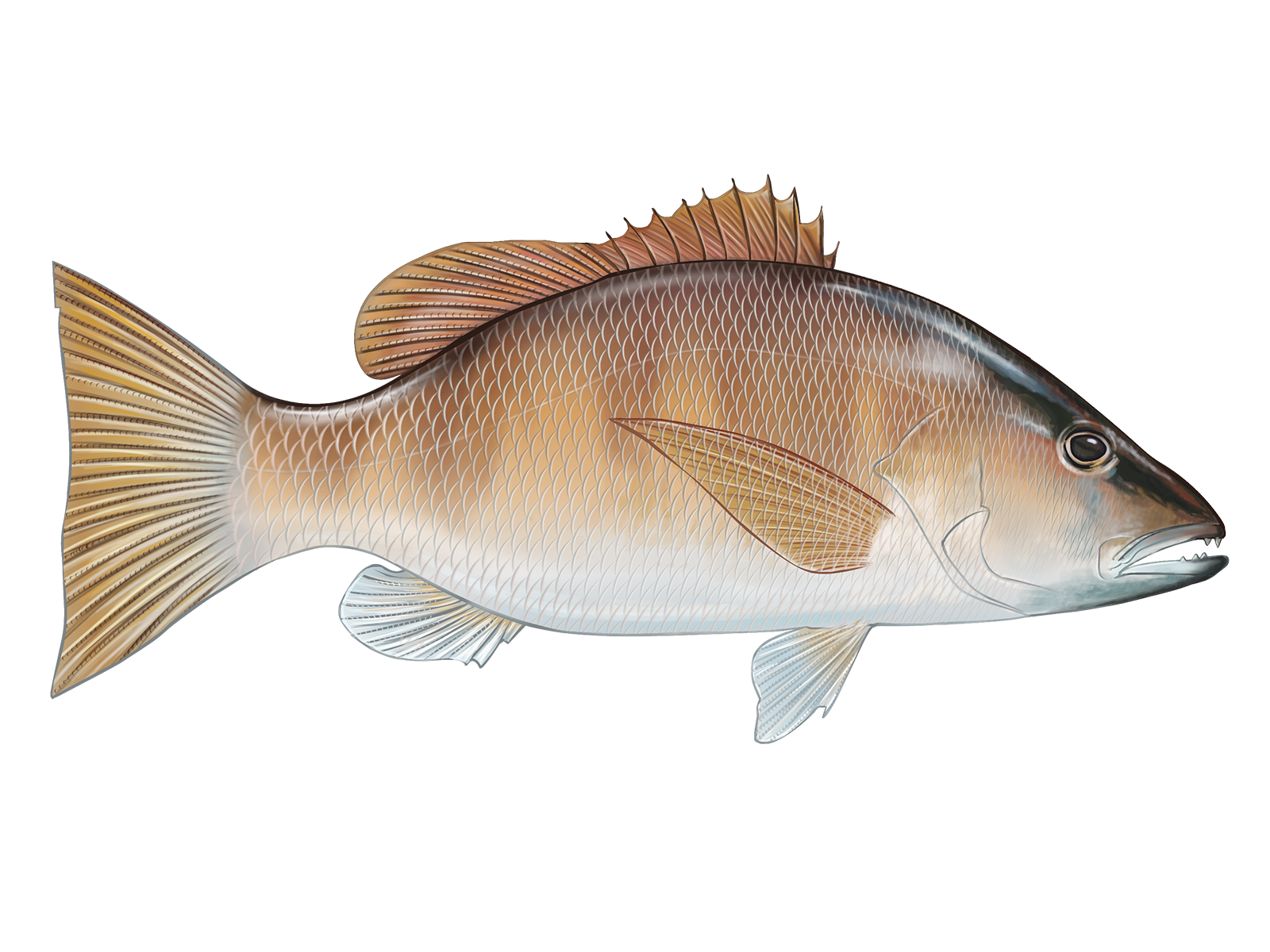 Grey Snapper
 Redfish
 Sea Trout
 Spanish Mackerel
- This 3-hour morning fishing trip takes you through some of Gulf Shores' best waters, from the Intracoastal Waterway to Mobile Bay and Orange Beach Pass. Your captain adjusts the route based on weather and tides, sometimes heading toward Dauphin Island or Bay La Launch for the best action. You'll target solid inshore species like redfish, spotted seatrout, and mangrove snapper using live bait and quality gear that's all included. The first mate handles your setup and keeps you on the right side of fishing regulations, so you can focus on landing fish. Perfect for beginners or experienced anglers looking for a productive morning on the water without the full-day commitment.
Trip Pricing and Availabilities:
Gulf Shores Inshore & Nearshore Fishing Charter
There's nothing quite like an early morning on the water in Gulf Shores, especially when you're targeting some of Alabama's most sought-after inshore species. This 3-hour shared charter with Seeley Charters LLC kicks off at 8:00 AM, giving you prime fishing time before the heat sets in and the fish get finicky. You'll be working the productive waters between the Intracoastal Waterway, Mobile Bay, and Orange Beach Pass – some of the most consistent fishing grounds along the Alabama coast. Depending on what Mother Nature throws at us, we might head toward Dauphin Island's grass flats or work the structure around Bay La Launch. The beauty of this trip is its flexibility – your captain reads the conditions and puts you where the fish are biting that morning.
What to Expect on the Water
This shared charter is designed with both rookie anglers and seasoned fishermen in mind. You're not just getting a boat ride – you're getting a fishing education from a professional crew who knows these waters like the back of their hand. The 3-hour window is perfectly timed to hit the productive morning bite when redfish are cruising the shallows and trout are actively feeding. Your captain will adjust the game plan based on tides, weather, and recent fish activity, which means you're always fishing smart, not just fishing hard. The crew provides all the gear you'll need, from quality rods and reels to fresh live bait that Gulf Coast fish can't resist. Since this is a charter operation, you don't need to worry about individual fishing licenses – that's all covered. Just bring your appetite for some serious fishing action and maybe a cooler if you're planning to take your catch home.
Techniques & Fishing Zones
The fishing approach varies depending on where we end up that morning, but you'll likely experience a mix of techniques that keep things interesting. In the shallows around grass beds and oyster bars, we'll work live bait under popping corks – a deadly technique for spotted seatrout and redfish. When we move to nearshore structure, expect to drop bottom rigs for mangrove snapper and maybe pick up some Spanish mackerel on the way out. The professional first mate isn't just there for show – they're actively helping you read the water, adjust your technique, and make sure you're following all the seasonal regulations. These waters can range from 2 feet deep on the flats to 30 feet around the nearshore reefs, so you'll get a real taste of what makes Gulf Shores fishing so diverse. Live bait is the name of the game here, whether it's shrimp for the trout or pogies for the bigger predators.
Customer Stories
"Great Experience! Took us to a great spot to catch some red snapper and cleaned the fish for us! Kevin is a down to earth guy and his deckhand Joe was a hard worker. Highly recommend! Will return for round 2!" - Kyle
"We had a great time! We had lots of laughs and Kevin and Joe both were great help in teaching us how to do it. They gave lots of tips and explained everything where we understood and were able to catch a lot! They even cleaned our fish for us at the end. From start to end of our trip it was a great experience and we will definitely be back!!" - Abigail
Species You'll Want to Hook
Redfish are the crown jewel of Gulf Shores inshore fishing, and for good reason. These copper-colored bruisers can range from schoolie-sized 18-inchers to bull reds pushing 40 inches and 30 pounds. Spring through fall offers the most consistent action, with fish feeding aggressively in the shallows during the cooler morning hours. What makes redfish so special is their fight – they'll make long, powerful runs and use their broad tails to dig deep when they feel the hook. You'll find them around oyster bars, grass edges, and shallow flats where they're hunting crabs and shrimp.
Sea trout, or spotted seatrout as they're properly called, are the bread and butter of Gulf Coast inshore fishing. These beautiful fish with their distinctive spots and prominent canine teeth are most active during the spring and fall months. They typically run 14 to 20 inches, with occasional fish pushing into the mid-20s. Trout are structure-oriented, hanging around grass beds, drop-offs, and shell bars. They're fantastic table fare and provide steady action when you find a school.
Spanish Mackerel bring the speed and excitement to nearshore fishing around Gulf Shores. These sleek, silver torpedoes can reach speeds of 40 mph and provide some of the most action-packed fishing you'll experience. Peak season runs from late spring through early fall, with fish ranging from 1 to 3 pounds typically. They're voracious feeders that'll hit live bait, spoons, and small jigs with equal enthusiasm. The bonus is they're excellent eating when kept fresh on ice.
Grey Snapper, also known as mangrove snapper, are the smart guys of the bunch. These fish require finesse and patience, but they're worth the effort. They typically range from 12 to 18 inches around Gulf Shores, though larger fish are always a possibility around deeper structure. Summer months provide the best action, with fish relating to hard bottom, artificial reefs, and natural structure. They're incredibly good eating and known for their fight relative to their size.
Black Drum are the heavyweights of the inshore scene, with adult fish commonly reaching 20 to 40 pounds in these waters. They're most active during cooler months and can be found around oyster bars, bridge pilings, and deeper holes. Young black drum, called puppy drum, are excellent table fare, while the larger fish are typically released to continue breeding. These fish are known for their powerful, stub
Customer Reviews
Red Snapper Success

Kyle James
June 13, 2025
Epic Fish Learning
We had a great time! We had lots of laughs and Kevin and Joe both were great help in teaching us how to do it. They gave lots of tips and explained everything where we understood and were able to catch a lot! They even cleaned our fish for us at the end. From start to end of our trip it was a great experience and we will definitely be back!!
Abigail Dyer
May 28, 2025
Learn more about the animals
Black Drum
Black drum are the heavyweights of the drum family, with their dark gray coloring and powerful crushing jaws built for demolishing oysters and crabs. Most fish we catch run 10-25 pounds, though they can grow massive. These bottom-dwellers love oyster beds, muddy flats, and shallow structure where they root around for food. Spring is prime time when they school up for spawning, making them easier to target. They're popular because they fight hard and make those distinctive drumming sounds you can actually feel through the rod. Smaller fish under 15 pounds are great eating with firm, white meat. Pro tip: use fresh blue crab or cut mullet on a circle hook, keep it right on the bottom, and be patient - they'll mouth the bait before committing to the bite.
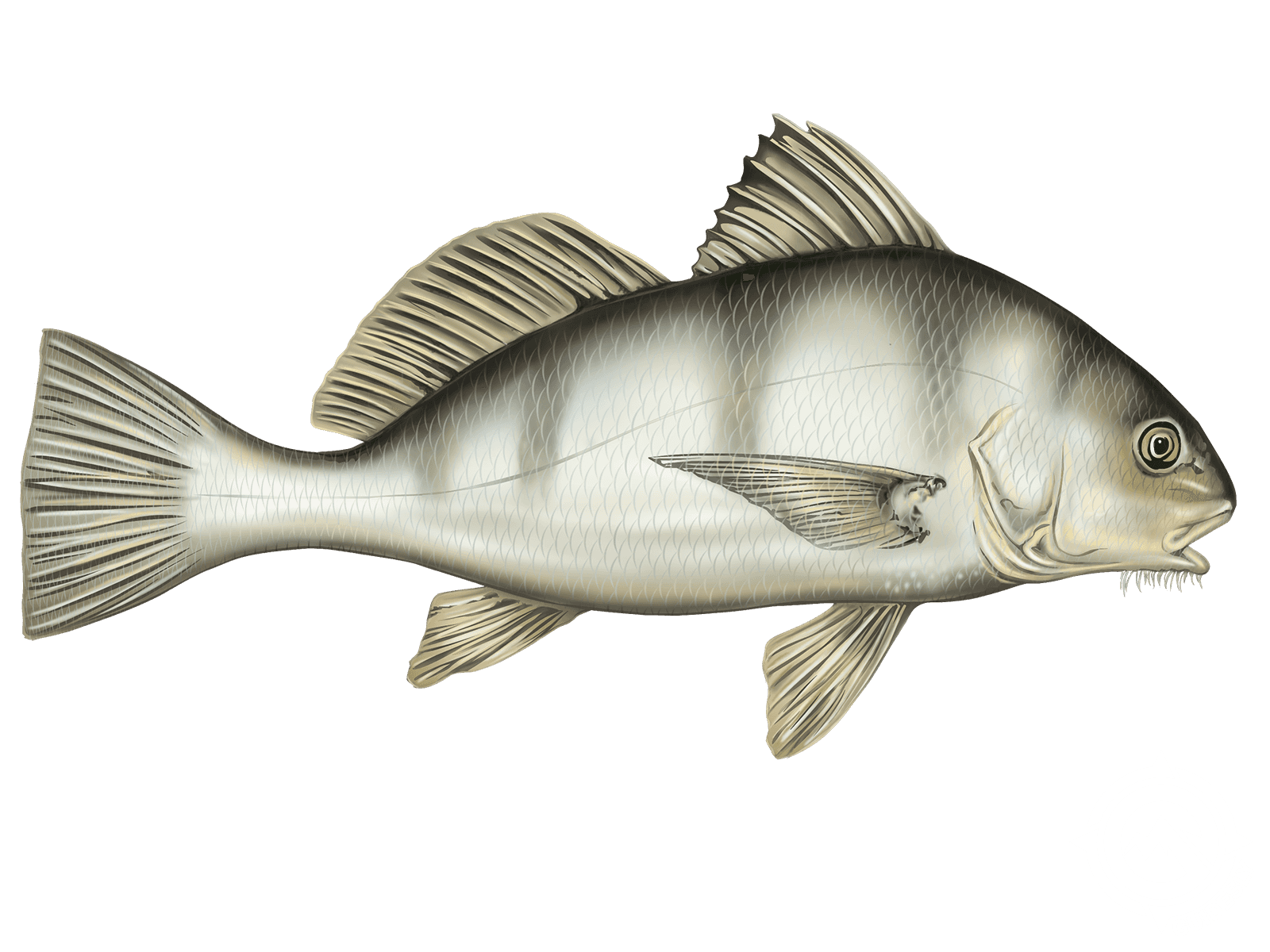
Grey Snapper
Grey snapper, also called mangrove snapper, are smart, copper-colored fish that live around docks, oyster bars, and grass flats in 5-20 feet of water. These opportunistic feeders typically run 12-16 inches and are known for being picky about taking bait. They're most active during warmer months and feed heavily at night or during low-light conditions. Anglers love targeting them because they're excellent table fare with sweet, white meat that's hard to beat. They put up a solid fight for their size and are perfect for beginners. My go-to tip: use a light 4J hook with live shrimp hooked through the tail, let it sink to the bottom, then barely lift it off. Stay patient and still - too much movement will spook these cautious fish away.
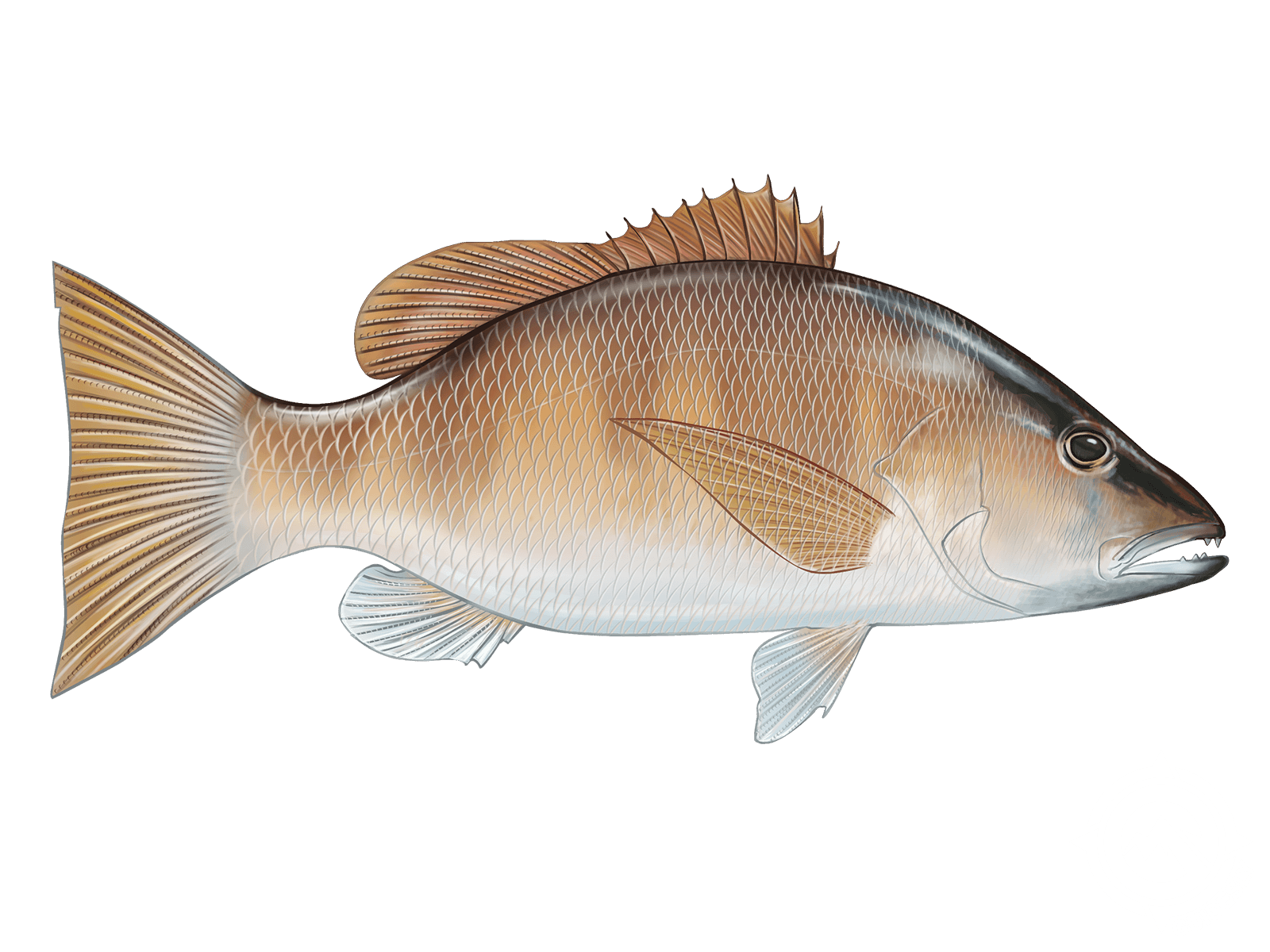
Redfish
Redfish are the crown jewel of inshore fishing with their copper-bronze backs and distinctive black spots near the tail. They typically range 18-30 inches and love super shallow water - sometimes so shallow their backs show above the surface. You'll find them cruising oyster bars, grass flats, and marsh edges year-round, though they're most active in warmer months. These fish are popular because they eat almost anything, fight like crazy, and the slot-sized ones make excellent table fare with firm, mild meat. They'll hit topwater plugs, soft plastics, and live bait with equal enthusiasm. My favorite tip: use polarized glasses to sight-fish them in shallow water, then cast your bait ahead of their path - they'll usually eat if you don't spook them first.
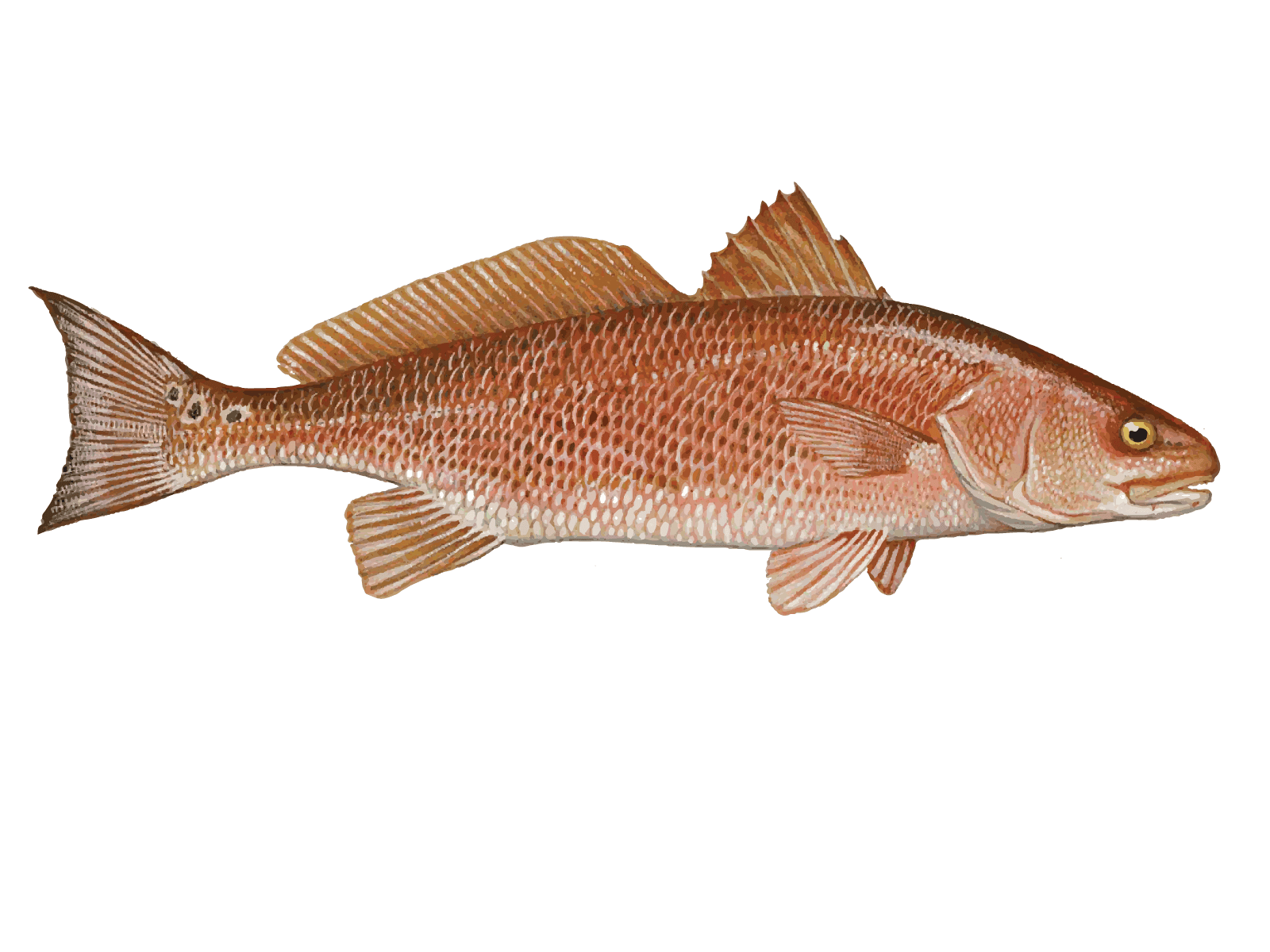
Sea Trout
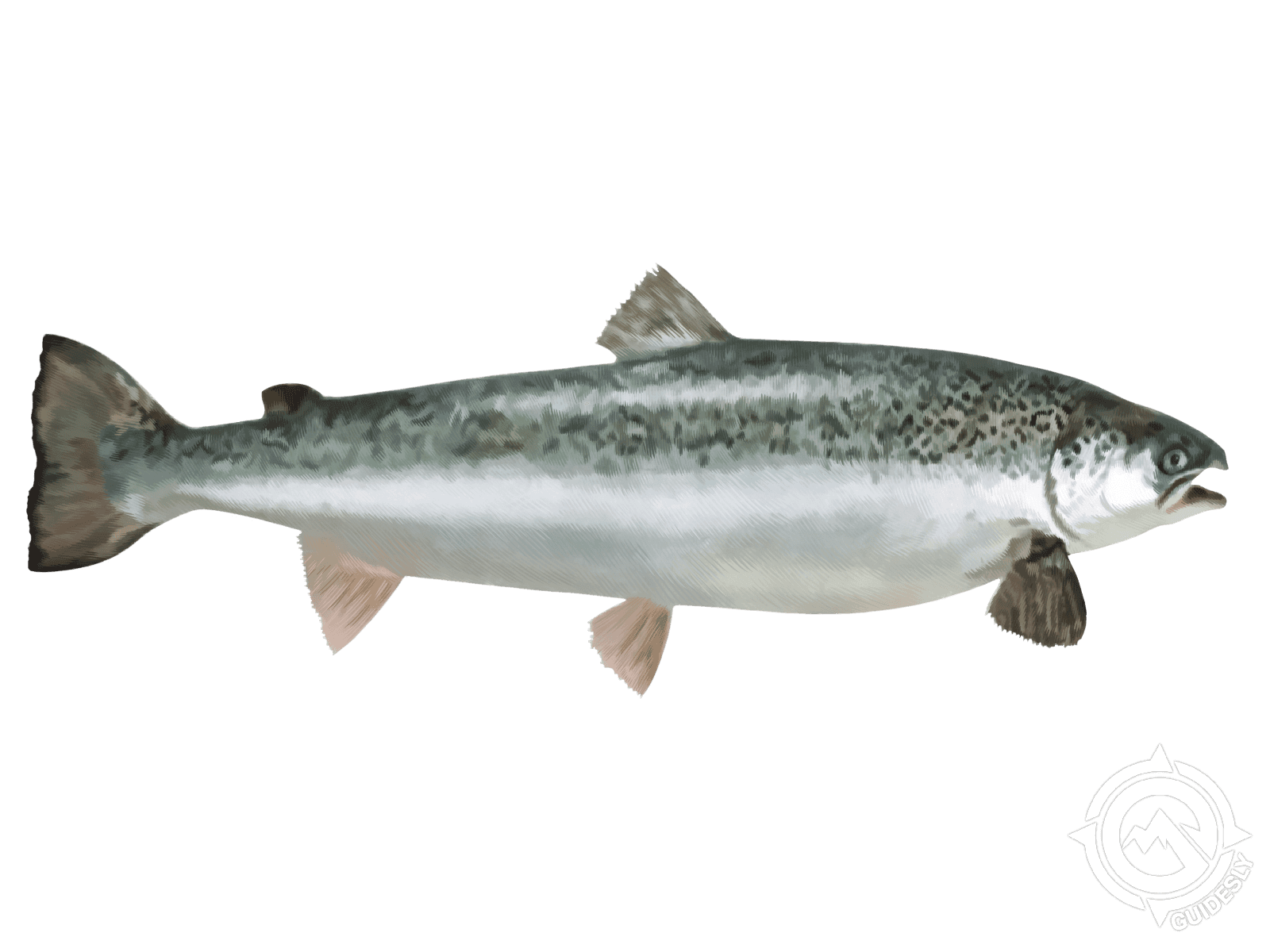
Spotted seatrout, or speckled trout, are beautiful silver fish covered in black spots that frequent grass flats and shallow bays. They typically run 14-20 inches and are most active during cooler months when they school up in deeper channels. These fish love live shrimp and small baitfish, making them perfect for light tackle fishing. Anglers enjoy them because they're willing biters, fun fighters, and have delicate, flaky white meat that's fantastic fried or grilled. They're also great for beginners since they're forgiving and commonly caught. During winter, look for them in deeper water near creek mouths and channels. Local tip: fish early morning or late evening with live shrimp under a popping cork over grass beds - the noise attracts them from a distance.
Spanish Mackerel
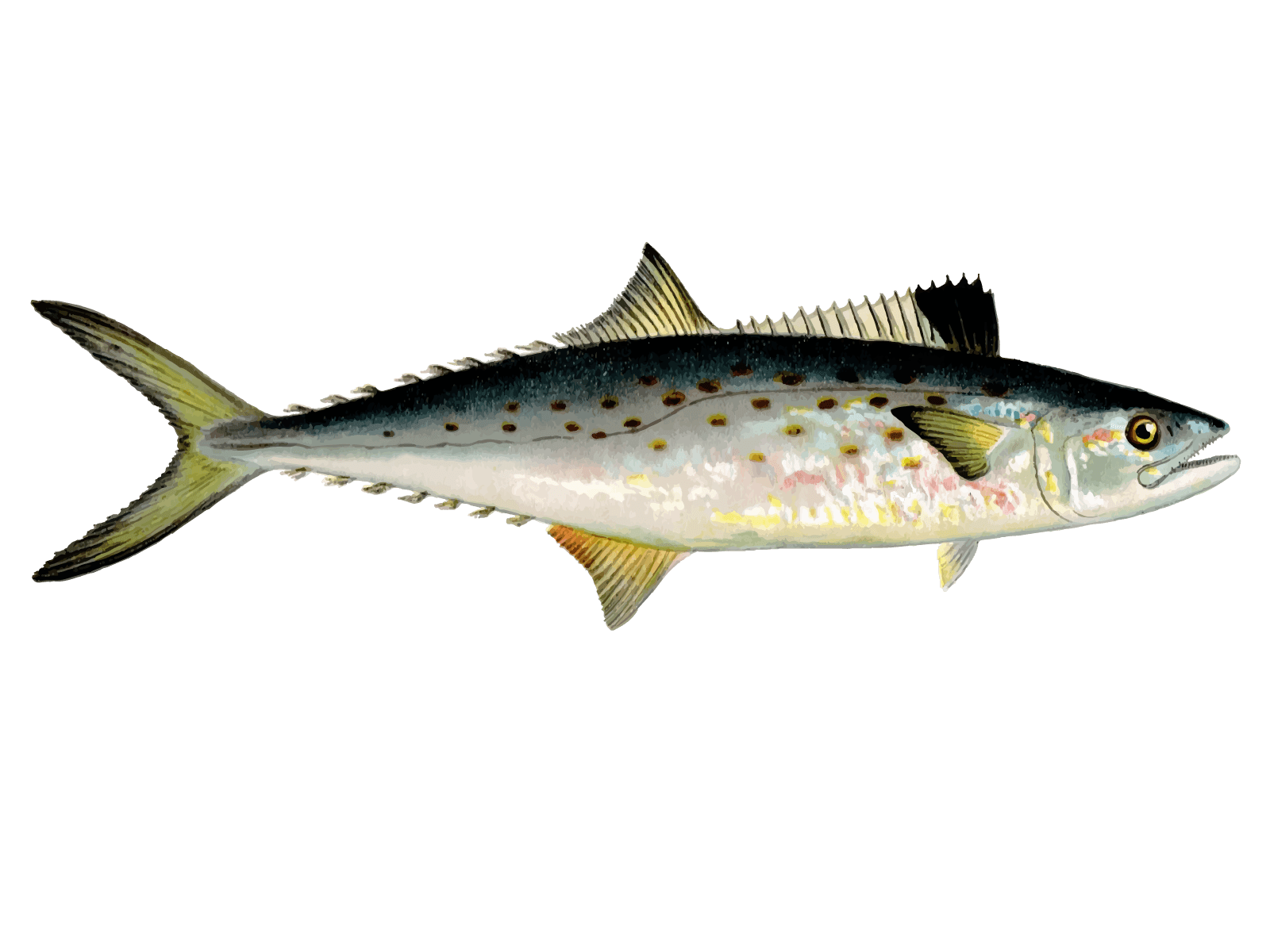
Spanish mackerel are fast, streamlined fish with silver sides covered in yellow spots that'll give you a real workout once hooked. These speedsters typically run 1-3 pounds and love to school up near the surface, especially around structure and baitfish. You'll find them in our nearshore waters from spring through fall when the water warms up. They're incredible fighters that'll make screaming runs and put serious bend in your rod. The meat is excellent eating too - mild, flaky, and perfect on the grill. Here's a local trick: when you see diving birds working over bait, get your small spoons and jigs ready because there's likely a school of hungry mackerel underneath tearing through the action.
About the Seeley
%2F%2Fusers%2F6e3881fc-0a92-4e27-a58e-9eeec5ffdf1c%2Fvehicle_picture%2Fseeleyboat-mmv7wvvn.png&w=1920&q=75)
Vehicle Guest Capacity: 4
Manufacturer Name: Mercury
Maximum Cruising Speed: 20
Number of Engines: 1
Horsepower per Engine: 225

Great Experience! Took us to a great spot to catch some red snapper and cleaned the fish for us! Kevin is a down to earth guy and his deckhand Joe was a hard worker. Highly recommend! Will return for round 2!