%2Ffit-in%2F250x250%2Fguide_websites%2F121734%2Fimages%2F1773797455460seeleylogo.jpg&w=1920&q=100)
/users/6e3881fc-0a92-4e27-a58e-9eeec5ffdf1c/ratecard/597658220_122167560014603507_4455365721247691751_n-mmvckqmw.jpg)
%2F300x300%2Fusers%2F6e3881fc-0a92-4e27-a58e-9eeec5ffdf1c%2Fratecard%2F597658220_122167560014603507_4455365721247691751_n-mmvckqmw.jpg&w=256&q=75)
%2F300x300%2Fusers%2F6e3881fc-0a92-4e27-a58e-9eeec5ffdf1c%2Fimages%2Fgulf-shores-trout-drum-fishing-2688.jpg&w=256&q=75)
%2F300x300%2Fusers%2F6e3881fc-0a92-4e27-a58e-9eeec5ffdf1c%2Fimages%2Fgulf-shores-sheepshead-black-drum-2733.jpg&w=256&q=75)
%2F300x300%2Fusers%2F6e3881fc-0a92-4e27-a58e-9eeec5ffdf1c%2Fimages%2Fgulf-shores-sheepshead-catch-2819.jpg&w=256&q=75)
%2F300x300%2Fusers%2F6e3881fc-0a92-4e27-a58e-9eeec5ffdf1c%2Fimages%2Fgulf-shores-black-drum-sheepshead-2729.jpg&w=256&q=75)
%2F300x300%2Fusers%2F6e3881fc-0a92-4e27-a58e-9eeec5ffdf1c%2Fimages%2Fgulf-shores-black-drum-catch-2730.jpg&w=256&q=75)
%2F300x300%2Fusers%2F6e3881fc-0a92-4e27-a58e-9eeec5ffdf1c%2Fimages%2Fgulf-shores-fishing-catch-boat-2584.jpg&w=256&q=75)
%2F300x300%2Fusers%2F6e3881fc-0a92-4e27-a58e-9eeec5ffdf1c%2Fimages%2Fgulf-shores-black-drum-catch-2685.jpg&w=256&q=75)
%2F300x300%2Fusers%2F6e3881fc-0a92-4e27-a58e-9eeec5ffdf1c%2Fimages%2Fgulf-shores-redfish-black-drum-2767.jpg&w=256&q=75)
%2F300x300%2Fusers%2F6e3881fc-0a92-4e27-a58e-9eeec5ffdf1c%2Fimages%2Fgulf-shores-black-drum-catch-2740.jpg&w=256&q=75)
%2F300x300%2Fusers%2F6e3881fc-0a92-4e27-a58e-9eeec5ffdf1c%2Fimages%2Fgulf-shores-fishing-marina-boat-2601.jpg&w=256&q=75)
Gulf Shores Redfish Charter by Seeley Charters
 Gulf Shores, AL
What you will be catching:
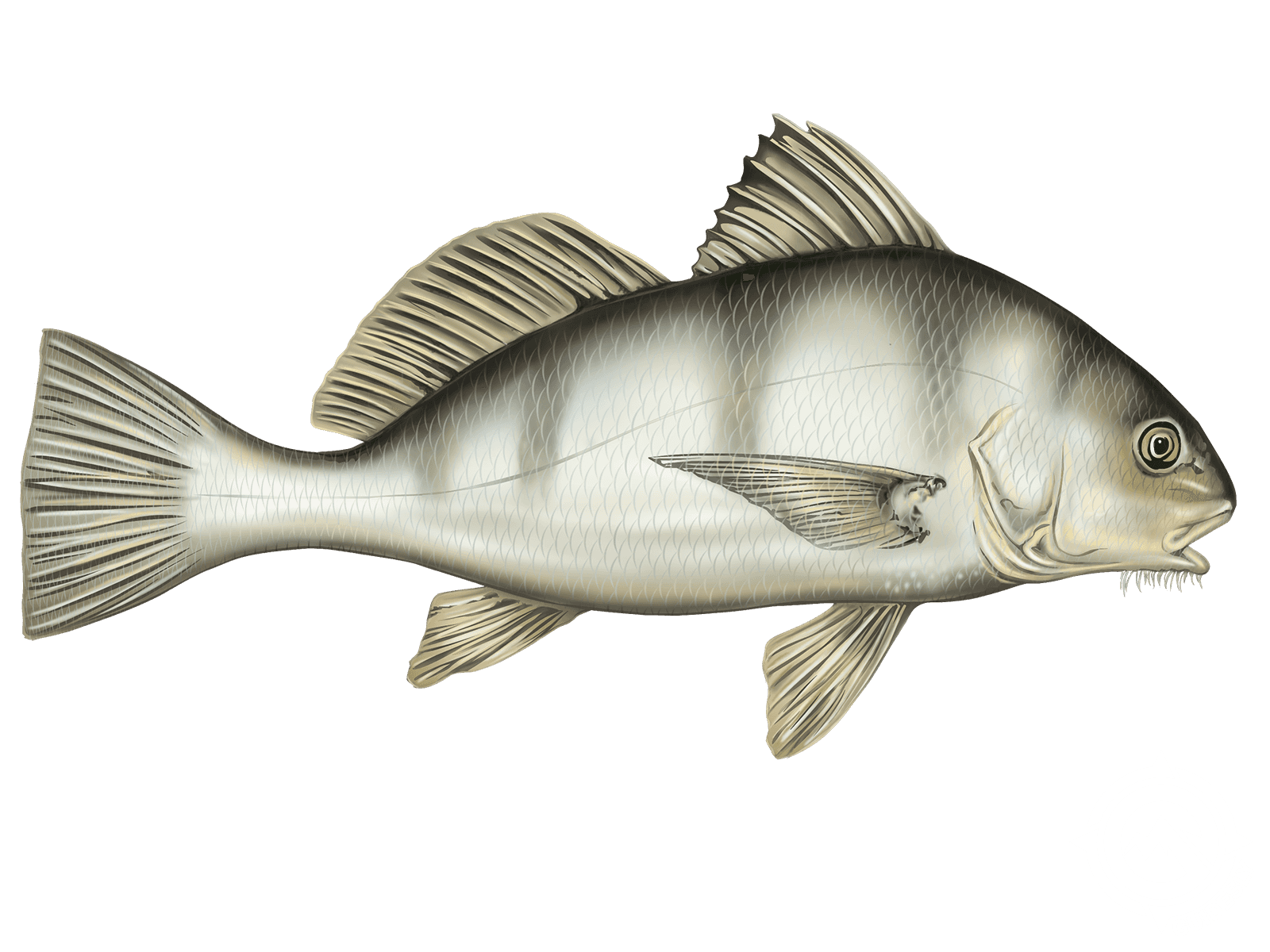
 Black Drum
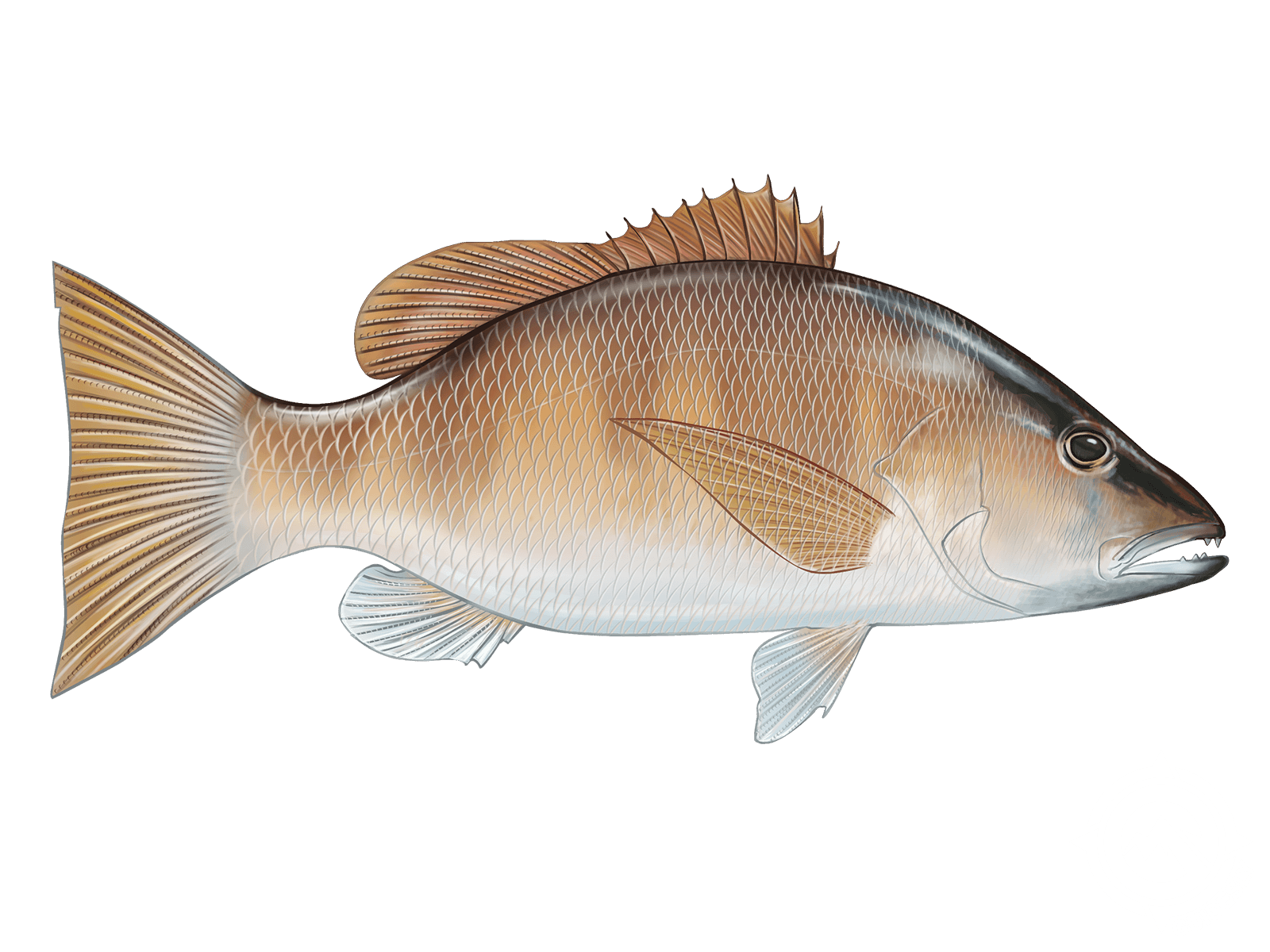
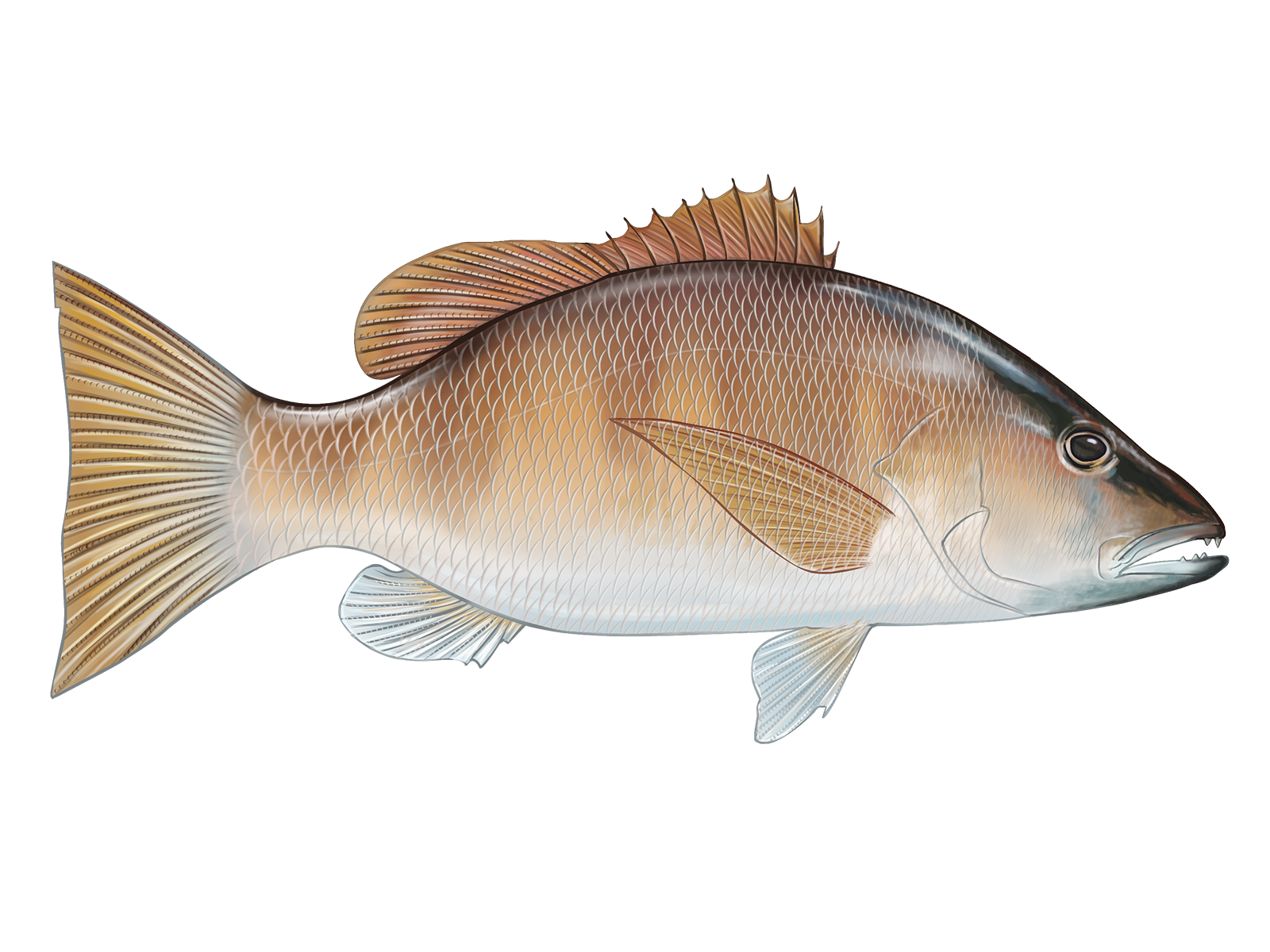 Grey Snapper
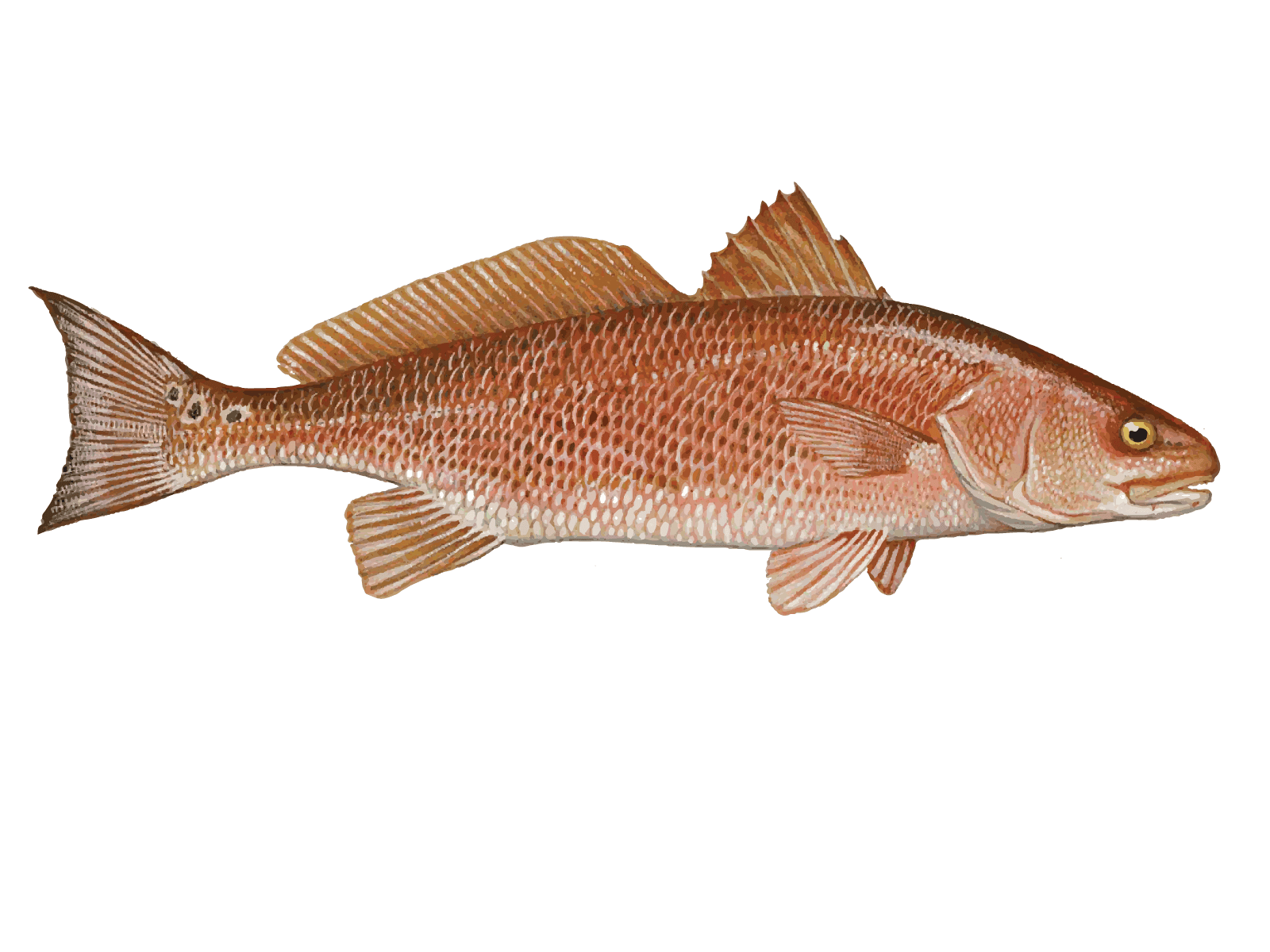
 Redfish
 Sea Trout
 Spanish Mackerel
- Join us for a 3-hour afternoon fishing adventure departing at noon from Gulf Shores. We'll work the productive waters of the Intracoastal Waterway and Bon Secour region, targeting redfish, black drum, spotted trout, sheepshead, and mangrove snapper. This shared charter welcomes all skill levels
- our experienced first mate will handle the gear setup and help you land fish while staying within seasonal regulations. We provide everything you need including rods, reels, and live bait. No fishing license required. Just bring polarized sunglasses and non-spray sunblock for this midday trip. Perfect for anglers wanting to experience Gulf Shores' excellent inshore fishing without the full-day commitment.
Trip Pricing and Availabilities:
Gulf Shores Inshore Redfish & Snapper Charter
Looking for a solid afternoon on the water without breaking the bank? This shared inshore charter with Seeley Charters puts you right in the heart of Gulf Shores' best fishing grounds. We're talking about the Intracoastal Waterway and Bon Secour region – waters that locals know produce fish year-round. This isn't some crowded party boat deal either. With just you and one other angler max, you'll get the personal attention that makes all the difference between going home with stories and going home with dinner.
What to Expect on the Water
This top-rated 3-hour trip kicks off at noon, which is perfect timing for the afternoon bite. The Intracoastal and Bon Secour waters are protected, so even when the Gulf gets choppy, we're still fishing. Your captain knows every oyster bar, grass flat, and structure where these fish hang out. We're running live bait – the real deal that gets these fish fired up. Don't worry about bringing anything except yourself and maybe a cooler for your catch. All rods, reels, tackle, and bait are included, plus you don't need a fishing license when you're on the boat. The first mate is there to help with everything from rigging baits to landing fish, and they know the current regulations inside and out so you stay legal.
Techniques That Get Results
Inshore fishing here is all about reading the water and putting baits where the fish are feeding. We're talking shallow water fishing – sometimes just a few feet deep – around oyster reefs, grass beds, and channel edges. The technique is pretty straightforward but effective: live shrimp under popping corks for trout and redfish, cut bait on the bottom for black drum, and small jigs around structure for snapper. The beauty of this fishing is that it works for everyone. Never picked up a rod? No problem. Been fishing your whole life? You'll still learn something new about these waters. The key is staying quiet, making accurate casts, and being ready when that cork goes under or your rod tip starts dancing.
Species You'll Want to Hook
Redfish are the bread and butter of Gulf Shores inshore fishing, and for good reason. These copper-colored bruisers fight like freight trains and taste even better. Most of the reds we're catching run 18 to 27 inches – perfect eating size – and they're here year-round. Fall and spring are absolutely on fire, but even summer and winter produce steady action. What makes redfish so fun is how they eat. Sometimes they'll slam a bait so hard it nearly pulls the rod out of your hands, other times they just swim off with it like nothing happened. Either way, once you set the hook, you're in for a fight.
Black drum might not win any beauty contests, but they're customer favorites for a reason. These bottom-huggers can get massive – we're talking 20 to 40 pounds – and they'll test your gear and your arms. They love hanging around oyster bars and bridge pilings, crunching on crabs and shrimp. The smaller ones, called puppy drum, are fantastic table fare with sweet, flaky white meat. Black drum are here all year, but winter months often produce the biggest fish when they school up in deeper channels.
Spotted trout, or speckled trout as locals call them, are probably the most popular inshore species in Alabama. These beautiful fish have distinct spots along their sides and razor-sharp teeth that'll cut through light leader in a heartbeat. They're ambush predators that love grass flats and channel edges, especially during moving tides. Spring through fall is prime time, with early morning and late afternoon being the hot periods. Trout are also some of the best eating fish you'll find, making them a must-have for the cooler.
Spanish mackerel show up in big numbers during their seasonal runs, usually spring and fall. These speedsters are pure adrenaline – they hit fast, jump high, and never quit fighting. When the mackerel are running, it's non-stop action with fish hitting everything from live bait to small spoons and jigs. They're also excellent smoked or grilled, with rich, dark meat that's packed with flavor.
Grey snapper, including the smaller mangrove snapper, are structure lovers that provide steady action around docks, bridges, and oyster bars. These fish are smart – they'll inspect your bait, test your drag, and make you work for every fish. But that's what makes them so rewarding to catch. Snapper are phenomenal table fare too, with firm white meat that's perfect for just about any recipe you can think of. They're here most of the year, with summer months being especially productive around structure in 10 to 30 feet of water.
Time to Book Your Spot
This shared charter is hands-down one of the best values in Gulf Shores fishing. You're getting world-class inshore action at a fraction of what you'd pay for a private boat, plus you might make a new fishing buddy along the way. The afternoon departure time is perfect for families or anyone who wants to sleep in a bit before hitting the water. With all gear and bait included, plus a knowledgeable crew to put you on fish, all you need to do is show up ready to fish. Just remember to bring non-spray sunscreen and polarized glasses – the sun reflects hard off these shallow waters. Book now because these shared trips fill up fast, especially during peak seasons when the fishing is hot.
Learn more about the species
Black Drum
These bruising bottom-dwellers are the heavyweights of our inshore waters, and they'll put a serious bend in your rod. Black drum typically range from 5-30 pounds around here, with their powerful jaws built for crushing oysters and crabs. They love shallow muddy flats, oyster beds, and creek mouths throughout the Intracoastal Waterway. Spring is prime time when they school up for spawning - that's when you'll hear their distinctive drumming sounds underwater. What makes them special is the fight - they're bulldogs that use their weight and strength to test your drag. Smaller ones under 15 pounds make excellent eating with firm, white meat. They're bottom feeders, so patience pays off. Local trick: use fresh blue crab or cut mullet on a circle hook, keep your bait right on bottom, and when you feel that steady pull, just start reeling - no need to set the hook hard.
Grey Snapper
Also called mangrove snapper, these copper-colored fighters are perfect for our inshore trips around the Bon Secour region. They typically run 10-14 inches and 1-2 pounds, though bigger ones lurk in deeper water. You'll find them hanging around docks, oyster bars, and any structure that offers cover - they're ambush predators that like to stay hidden. Grey snapper are active year-round but really turn on during warmer months. What makes them special is their wariness - they're smart fish that test your skills. The payoff is some of the best table fare in the Gulf with sweet, white, flaky meat. They're nocturnal feeders, so late afternoon trips often produce the best action. My go-to trick: use a 4J hook with live shrimp hooked through the tail, let it sink to bottom, then reel up just a foot to avoid snags.
Redfish
These bronze-backed beauties are the stars of our shallow water fishing around Gulf Shores. Redfish typically run 18-27 inches in the slots we fish, with that telltale black spot near the tail and copper-red coloring. They love super shallow water - sometimes so shallow their backs stick out - around oyster bars, grass flats, and marsh edges throughout the Intracoastal. Year-round fishing is solid, but spring and fall bring the biggest schools. What makes reds special is their power and the variety of ways to catch them. They hit topwater plugs, soft plastics, and live bait equally well. The fight is bulldogging strength that'll test your drag, and they make great eating with sweet, firm meat. These fish are sight-fishing gold on calm days. My favorite trick: look for "nervous water" or slight surface disturbances over shallow flats - that's usually redfish tailing in the grass, and a well-placed soft plastic will get crushed.
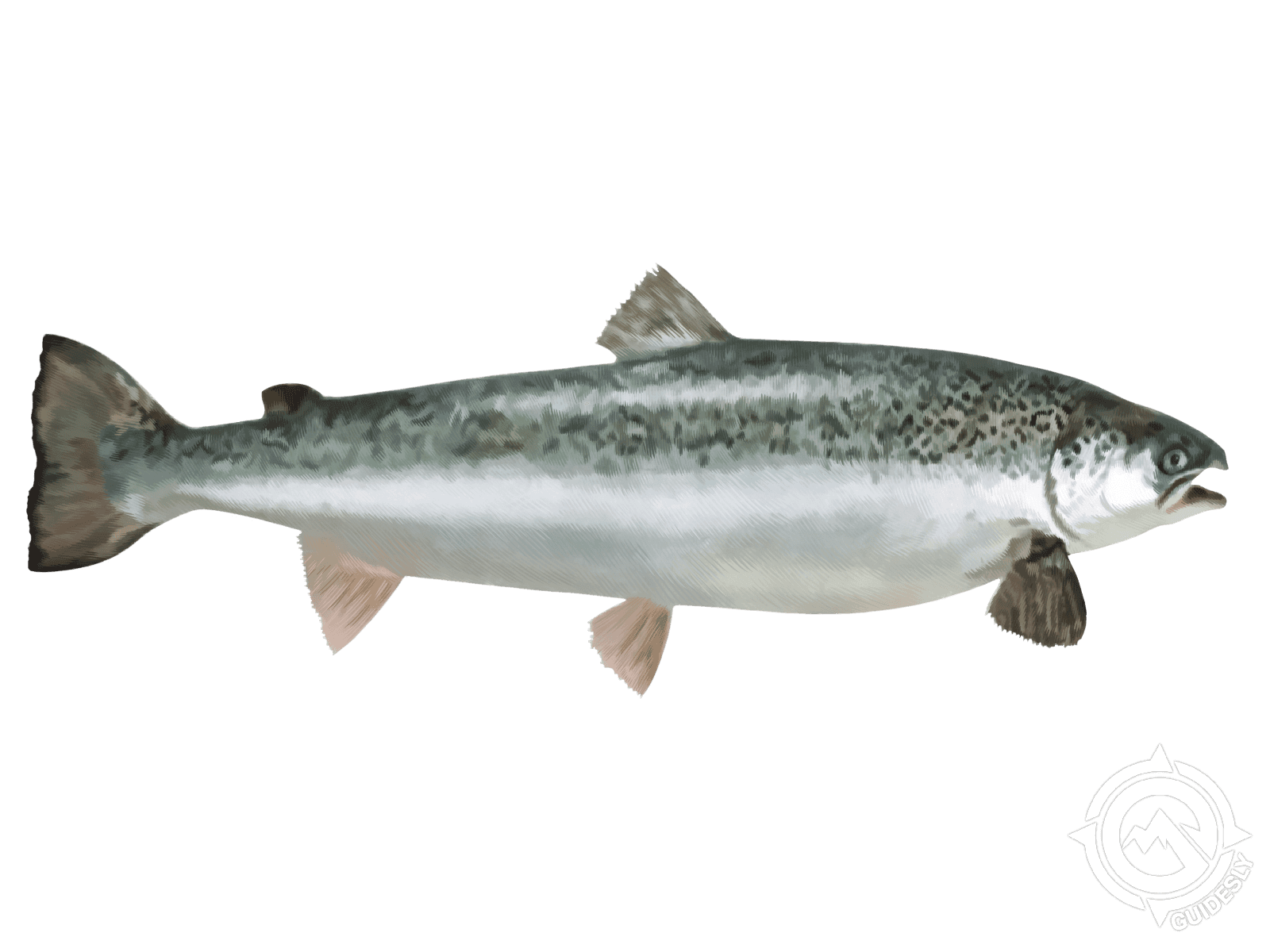
Sea Trout
Spotted sea trout, or "specks" as we call them locally, are one of the most popular targets on our inshore trips. These silvery fish with black spots typically run 14-20 inches and 1-3 pounds around Gulf Shores. They love grass flats, shallow bays, and drop-offs where they can ambush shrimp and small fish. Spring through fall offers the best action, with early morning and late evening being prime times. What guests love about specks is their willingness to bite and their excellent table fare - the meat is soft, white, and delicate. They're not the strongest fighters, but they make up for it with numbers and taste. During cooler months, they school up in deeper channels. The key is finding the right depth over grass beds. My best tip: use a popping cork with live shrimp about 18 inches below it, work it slow over the grass, and listen for that distinctive pop-slurp when they hit.
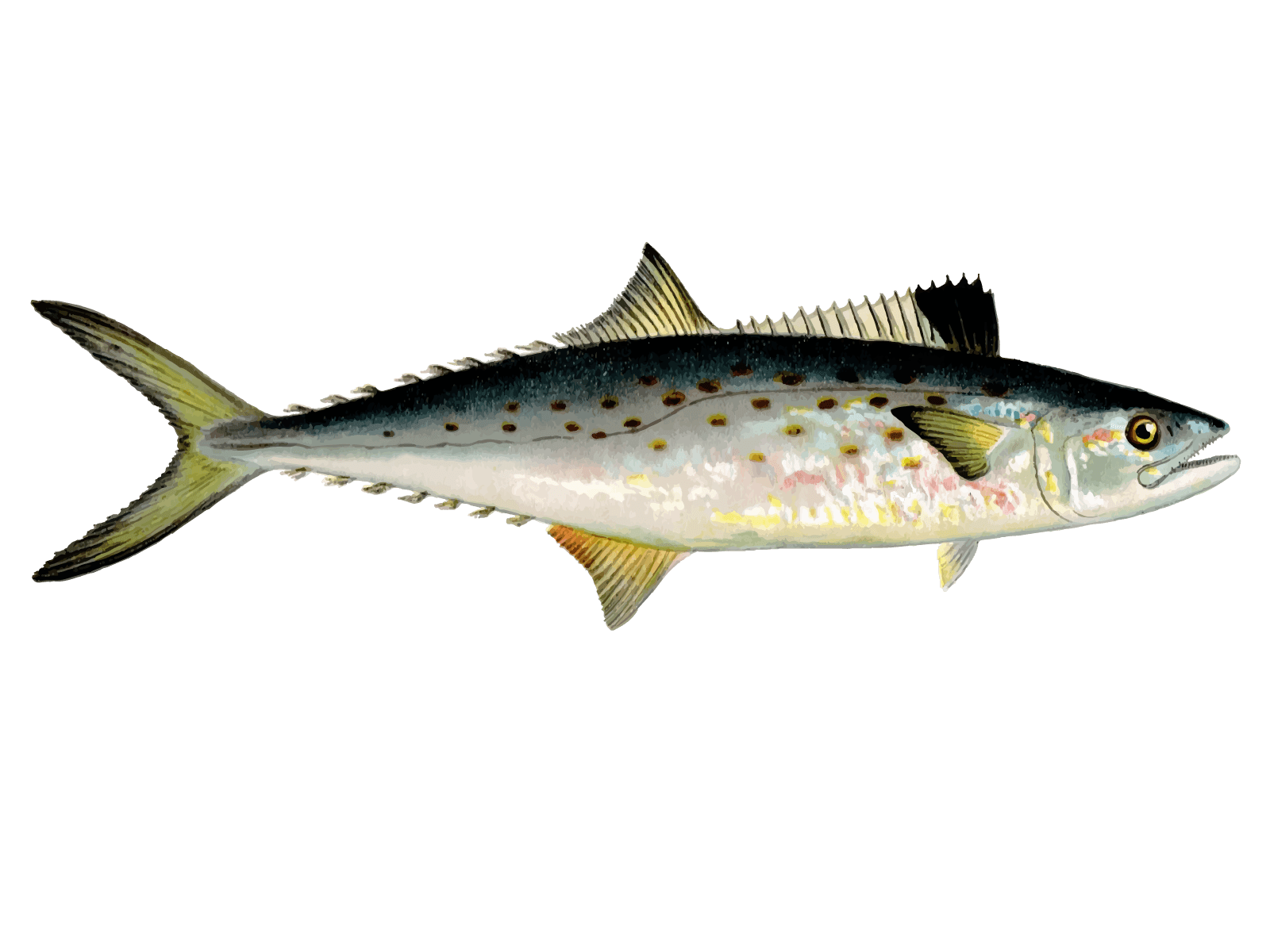
Spanish Mackerel
These fast-swimming silver bullets are a blast to catch around Gulf Shores, especially during spring and fall when they school up near the surface. Spanish mackerel typically run 1-2 feet long and weigh 2-3 pounds, with their signature yellow spots making them easy to identify. You'll find them cruising open water areas of the Intracoastal and around structure where baitfish gather. They hit hard and make screaming runs that'll get your adrenaline pumping. The meat is excellent eating - mild, flaky, and perfect for grilling. They're one of the fastest fish in the Gulf, so when you see birds working the surface, get ready. Pro tip: when trolling for them, use small spoons or jigs and keep your boat moving - these guys love speed and won't chase slow-moving baits.
About the Seeley
%2F%2Fusers%2F6e3881fc-0a92-4e27-a58e-9eeec5ffdf1c%2Fvehicle_picture%2Fseeleyboat-mmv7wvvn.png&w=1920&q=75)
Vehicle Guest Capacity: 4
Manufacturer Name: Mercury
Maximum Cruising Speed: 20
Number of Engines: 1
Horsepower per Engine: 225